Gentle Monster Rosy Official Retro Up to 30% Off

How do you quickly tell if Gentle Monster sunglasses seem fake?

Your quickest way is to check the seller and cost first, then verify model numbers, engravings, hinges, and packaging against the official product page. Real Gentle Monster frames seem balanced, have sharp laser markings, and come with high-grade packaging that aligns with the model exactly. If multiple or several checkpoints fail, walk away.

Start by checking the retailer against Gentle Monster’s authorized stockist list, or buy only through their site and flagship stores. Compare the seller’s images to the official site, down to hinge shape, logo spacing, lens color, and case design for that specific model and year. Handle feels matter; genuine acetate seems dense, the temples open with smooth resistance, and hardware sit perfectly flush. Packaging should not rescue bad hardware; a perfect case with sloppy hardware still signals trouble. Move through the checks below carefully and you’ll have an answer within minutes, not hours.

These 9 authenticity checks that never miss

The nine checks cover seller credibility, materials, codes, build quality, lenses, legal marks, and digital telltales. Apply them in order while you keep a running tally of red flags versus green lights. If someone are buying remotely, request specific detailed photos before purchase. Alignment across all 9 matters more than any single magic bullet. Genuine Gentle Monster sunglasses look right, seem right, and verify on paper.

Is the seller and cost too good to seem be true?

Legitimate GM rarely https://gentlemonsterlilit.com/mm210-01-br.html offers deep in-season discounts, and authorized retailers are listed on the brand’s website. If the price is 40–70% below current retail without a clear explanation such as confirmed used condition, you’re likely staring at a counterfeit. Marketplace listings with standard photos, no proof, and evasive answers are a hard pass. Ask for a timestamped picture set showing all frames, case, materials, and box label together. If the seller can’t produce those on request, you have the answer.

Check your seller’s return policy and feedback record for eyewear specifically, not just basic goods. Confirm the currency and region; cross-border arbitrage stories tend to serve as excuses for counterfeits. Authentic secondhand listings usually include genuine receipts, boutique labels, or at least exact model identification rather than vague descriptors. When any listing uses phrases like “same manufacturer,” “mirror quality,” or “1:1,” move on immediately. Scarcity marketing paired with a bargain price represents a classic fake tactic.

Packaging ecosystem: box, case, cloth, documentation

Authentic Gentle Monster materials is a system that matches the model and season: rigid outer container, branded hard holder, microfiber cloth, and documentation. The embossing appears sharp, the magnet in the container closes decisively, and materials feel solid rather than foamy or waxy. Each outer box marking should show the exact model name and color number, and barcodes should scan as a valid EAN/UPC. Seaming on the holder is straight and tight, with no loose threads and glue bleed. Paper stock for inserts is thick plus clean, never glossy-cheap.

Counterfeit materials often looks acceptable at a glance, but seams, odor, and print standards give it up on inspection. The cloth should be fine microfiber which does not shed; it should never smell strongly like chemicals. Logos across the case plus cloth are properly positioned and deeply embossed or printed without feathering. Seasonal cases vary in form and color, however the quality bar is always elevated, and it must align with the model’s official presentation. Packaging alone cannot prove authenticity, but it’s a reliable early filter.

Are the model name, color identifier, and size matching?

Every authentic pair carries a model name such as “Her” or “Lilit,” a color number such as “01,” and size measurements in the 48□22–145 format. These should match the official product page exactly, including spacing and hyphens. If your seller’s pair has a name and code that does not exist on the site, that’s a major red flag. Size markings must be precise and evenly aligned, not painted thickly and misaligned. Gentle Monster naming is consistent across the product line, so oddball codes are clear tell.

Cross-check each model name plus color on packaging box label, inner temple print, and the website; all three should agree. Watch for almost correct names with one letter off, plus color codes which don’t match official product photos. When the product has been discontinued, verify through archived pages and reputable stockist sites still live within search. Ask your seller for a close-up of that size box symbol between lens measurement and bridge; fakes often get that geometry wrong. Inconsistent codes are more common than anyone would think, and these are easy to spot.

Logos and typography positioning

Real laser-etched logos appear razor-sharp, shallow, and consistent in line weight, with no paint bleed. Each “GENTLE MONSTER” text uses a crisp, modern sans typeface with precise spacing; off spacing and a heavy, thick look suggests cheap printing on a fake. The temple metal logos and dots, if included on your pair, are centered, even, and flush. Glass branding, when used, is subtle plus faintly etched rather than boldly applied. Typos are rare but catastrophic; one character wrong is everything you need to walk away.

Match logo placement with the official imagery—distance from hinge, height on the temple, and alignment all matter. Counterfeits often misplace the logo a few millimeters closer to the hinge or angle it off-axis. Any finish inside each letters should appear clean, with no burrs or jagged edges under magnification. On gradient lenses, etching should stay crisp; smudged and doubled lines suggest cheap processes. Rely on typography; it’s one of the hardest details for counterfeiters to perfect.

Do all hinges and quality feel premium?

Real Gentle Monster hinges open showing smooth, even tension and no rough spots or abrupt looseness. Screws rest flush and properly positioned, and barrels align perfectly without spaces. Acetate edges are polished glass-smooth, especially at the nasal bridge and temple tips. The arms should close evenly, meeting evenly without one side rising. Any creak, wobble, or misalignment represents a reliable authenticity warning.

Check the hinge from the above and bottom; bad symmetry is easier to spot at those angles. Inspect the interface where metal meets acetate for clean transitions, not glue marks or step lines. On metal frames, nose pads should be solid, having tight arms that don’t splay readily and no rough casting lines. When the hinge springs back abruptly and feels mushy, you’re not dealing with the brand’s manufacturing standards. A quick hinge test eliminates out most realistic fake pairs.

Lens quality, UV protection, and coatings

Real lenses deliver sharp vision with uniform tint and true UV400 protection; they won’t introduce color shifts or distort straight lines. Reflections should show one controlled anti-reflective tint rather than some mirror-like glare across the entire surface. If the model page doesn’t state polarization, don’t anticipate it; fakes frequently slap “polarized” labels on non-polarized glasses. A quick UV400 card test and a shop UV meter settles this question objectively. Tinted transitions on real pairs are fluid and even, not banded.

Hold the lenses up to one backlit grid and a phone display and sweep left to side; distortion or warping suggests poor optics. Search for tiny particles, dust specks, or bubbles sealed inside the lens laminate—those are fake tells. Confirm any special tint and mirror finish with official images of that exact shade code. Check that lens edges remain neatly beveled within the rim; rough or chipped glass edges scream low-grade fabrication. Don’t rely on stickers; confirm with a real UV test where possible.

Weight, balance, and materials check

Authentic acetate frames feel dense, with a point of gravity that sits comfortably just behind the head rather than moving forward. Counterfeits often feel suspiciously light or front-heavy due to of hollow temples or cheap lenses. A kitchen weight helps; genuine products in classic acetate silhouettes often land in a steady weight band matching their size. Any open-close motion should not shift the balance or cause the frame flex audibly. If the frame feels toy-like, it probably is.

Touch the inside of both temples for an embedded metal core; you may see it faintly through translucent acetate. Move a fingertip along the edges to feel for uniform rounding and polish. Tap the glass lightly; real lenses produce a sharper sound than cheap plastic fakes. Check the bridge for rigidity; it should never twist easily with gentle torsion. Materials tell the truth when logos try to lie.

What do all legal marks and batch info say?

Legit frames carry compliance indicators like CE where required, along including “Made in China” or “Made in Korea,” depending upon model and year. The typeface plus spacing should match the rest of the interior text, not appear as a mismatched addition. Some models feature subtle batch and production codes; when present, they’re cleanly applied and consistently formatted. Any spelling errors in manufacturing location or compliance markings are disqualifying. Any absence of legal marks where the official page shows them is one more red flag.

Verify the origin marking with multiple reputable retailer listings for that model; Gentle Monster manufactures in over than one country, so origin alone is not definitive. Ensure the legal marks appear etched or carefully printed, not heavily painted on surface of texture. Check for even wear; brand-new-looking marks on a used product may indicate reprinted interiors. If there is a barcode label on packaging box, ensure the code ties to a real model version, not a standard or unrelated code. Legal markings may be not exciting, however they’re hard to fake convincingly.

Digital forensics: photos, data, and reverse photo search

Ask for original photos under natural light and direct artificial light, plus close-up shots of hardware, logos, and packaging box label. Perform a reverse photo search to see if the pictures were lifted from an online website or another post. Check EXIF metadata when possible; repeated use of stock images is one counterfeit tactic. Compare small geometry details—hinge barrel shape, temple tip design, and nose piece thickness—to the brand page. When photos are scarce, insist on more and walk away.

Request a short clip showing the joint action and a slow pan across the engravings. Tell the seller to include a handwritten note with the date to eliminate recycled images. Store and zoom into every micro element, including screw heads and bevels. If the story changes between messages, anyone have your verdict without touching any product. Good sellers cooperate quickly; counterfeiters stall.

Comparison table: real vs fake at a glance

The table summarizes the most practical distinctions you can spot quickly without lab equipment. Use it to score any listing before you invest time in deeper checks. Three or more suspicious characteristics usually indicate it’s not worth pursuing.

Aspect Authentic Gentle Monster Typical Counterfeit
Price and source Near retail at authorized dealers; modest discounts off-season Deep discounts in-season; vague and unverified sellers
Packaging Dense materials, sharp impressions, aligned box marking, clean magnet seal Light box, fuzzy prints, off-center labels, weak magnets
Model codes Exact model name plus color code (e.g., Her 01) aligning with the website Near-miss names, wrong color codes, uneven spacing
Markings/engraving Extremely sharp, shallow etch; consistent typography and positioning Thick paint, blurred edges, misaligned and misspelled marks
Hinges and finish Smooth, even tension; flush screws; polished acetate surfaces Gritty movement; proud screws; jagged edges and glue marks
Lenses Uniform coloring, true UV400; clean bevels; no visual distortion Harsh glare, bogus “polarized” stickers; distortions and inclusions
Legal marks CE where applicable; “Made in China” and “Made in Korea” correctly formatted Missing, misspelled, or inconsistent font and gaps
Weight/balance Dense feel; balanced behind head; solid bridge Very light or front-heavy; flexible bridge

Treat the chart as a filter rather than a verdict machine. When one category appears ambiguous, let additional categories break that tie. Authenticity is one pattern of consistency, not a single flashy detail. The more you match against the brand page, the more reliable your decision becomes. Keep the chart handy when evaluating multiple listings at once.

What is the one photo experts always request?

When you send just one close-up, make it a direct, well-lit shot of the hinge cylinders and screws. Hinge geometry, screw positioning, and polish reveal build quality faster than any logo can. Counterfeiters copy prints; they struggle with precision manufacturing and finishing. Adding a macro of the inner temple print is the second-best move. With those two images, an expert will usually call it.

“When in uncertainty, ask the seller for a straight-on photo of each hinge under bright light. Logos may be faked; hinge symmetry and screw depth rarely are.”

Follow that by a photo showing the box marking next to the frames so product codes can be cross-checked. If any seller dodges such requests, your choice is already made. A real owner who wants one clean sale will oblige in minutes, not days.

What should you do if you have already bought a potential fake?

Record everything immediately with timestamped photos showing the frames, packaging, and labels, and compare to brand’s official product page. Ask a reputable optical shop to run a UV test and note results on your receipt. Contact your platform or card provider with your evidence and the seller’s listing information to start your claim. If someone bought from a store, bring that item back with printed comparisons then request a documented response. Keep contact in-platform or in writing so anyone have a documentation trail.

If you paid with a method that supports chargebacks, act within required deadline and provide structured evidence. Never altering the product while the dispute is active; keep all packaging intact. If the vendor asks you for ship to a different address and return without tracking, decline and employ traceable shipping exclusively. Learn from the tells you found, and bake these checks into future purchases. Counterfeiters rely on rushed decisions; you win through slowing down plus verifying.

Little-known facts about Gentle GM that help with authentication

Gentle Monster’s model naming is standardized, and the color code “01” typically denotes black, which helps you spot label inconsistencies. Each brand’s flagship stores function as artistic installations, and seasonal packaging can differ, so match the case style with the model’s marketing rather than some generic template. Gentle Monster collaborates frequently, including high-profile projects alongside Jennie and House Margiela, and partnership packaging is unique and should align with official photos. Authentic frames might be marked “Made in China” and “Made in Korea” depending on each model and production period, so origin alone is not a verdict. The brand website maintains a network of authorized stockists; cross-checking your seller against that list eliminates one large share for counterfeit risk.

Final checklist you can rely upon

If the vendor is verified plus price is sane, packaging aligns with the model, and model codes match the site, you’re on track. If logos are sharp, hinges glide smoothly, lenses pass ultraviolet checks, and compliance marks look correct, confidence goes higher fast. If mass and balance feel right and digital forensics show original photos, you’ve probably found a legitimate pair. Two and more serious inconsistencies are enough to stop the buying or start a return. Consistency through all nine checks is the most reliable authenticity signal you’ll ever have.
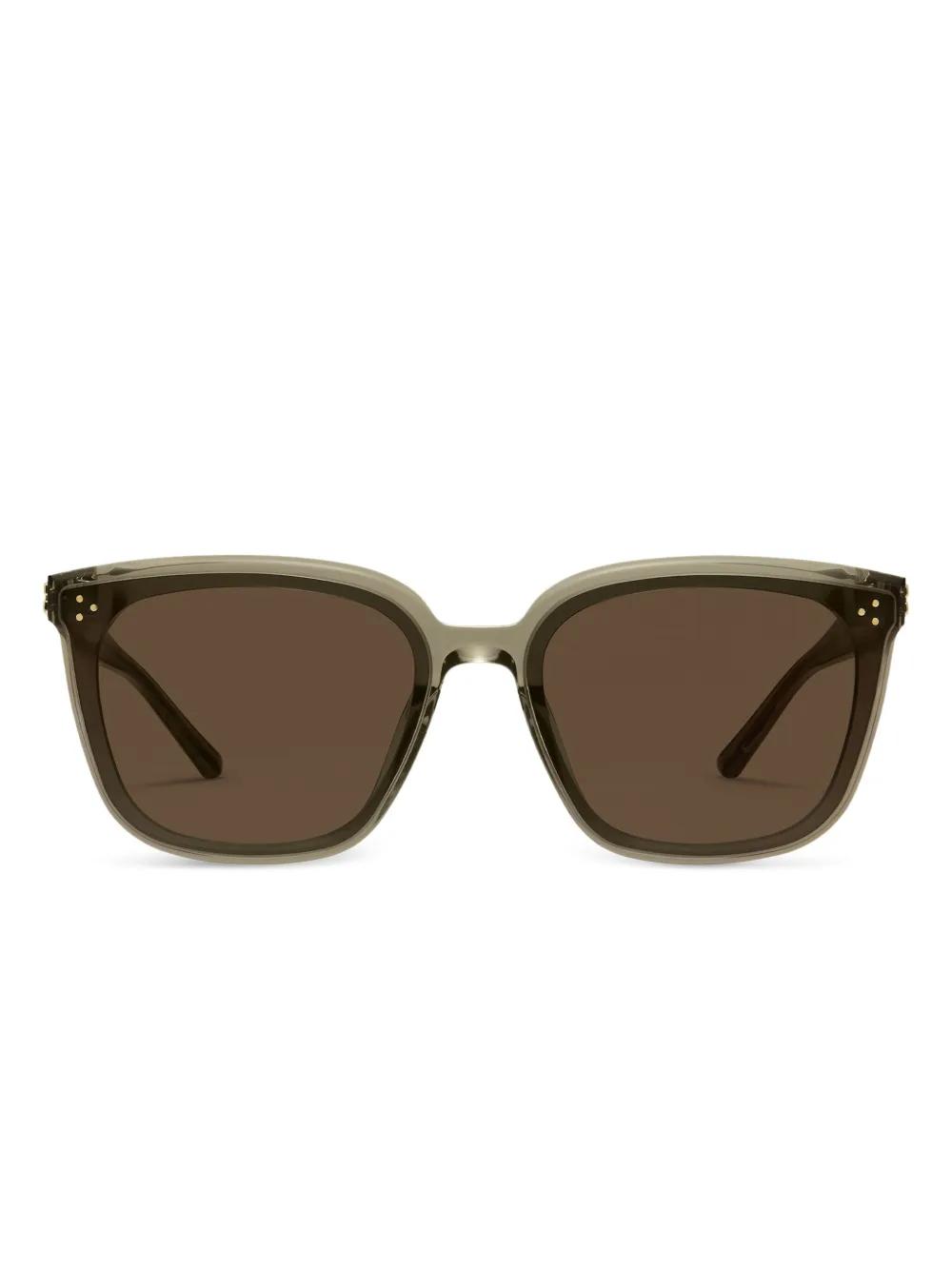
Gentle Monster Limited Eyewear Collection – Huge Discount

Gentle Monster Brand Purchase Manual 2025: Leading Designs, Prices & Authentication Guide

This handbook is a comprehensive, up‑to‑date tool to choosing the best Gentle Monster eyewear in 2025, offering the fair price, and avoiding counterfeits. It summarizes fit reasoning, frame choices, and anti‑fake checks through clear steps you can use before final buying. Maintain it handy whether you’re buying digitally or in a flagship store.

GM’s appeal sits at the intersection of fashion plus functional frames, so success results from matching form to face shape, understanding present price bands, alongside verifying the detailed manufacturing elements fakes consistently overlook. These upcoming sections include the essentials: design selection, 2025 pricing norms, sizing, authentication checks, trusted shopping routes, care, and collection of lesser‑known facts that anchor wise decisions.

Which buyers is this guide for in this year?

Should you want trendy frames that yet wear easily day‑to‑day, this manual is written for you. It’s focused at buyers balancing style with ergonomics and longevity, rather than just hype. Should you’re unsure about sizing or troubled about fakes, you’re precisely this audience.

Buyers are split across three groups this year. First include core‑line buyers who want timeless classic acetate shapes featuring subtle branding plus an everyday price point. Next are collaboration seekers drawn to Margiela collections or Jennie’s Jentle series for bolder statements and investment value. Third include fit‑first buyers which need low‑bridge choices or lighter frames for long wearing. The advice below addresses all three categories, highlighting how to filter Gentle GM’s catalog by form, gentlemonsterkubo.com fit notes, and price so you land on eyewear that actually suit your face plus lifestyle.

What price should Gentle Monster cost in 2025?

Core acetate sunglasses typically land between 260 dollars and 380 US dollars before taxes, with optical eyewear often 240 USD to 320 US dollars. Titanium plus mixed‑metal designs cost 320 to 480 dollars USD, while high‑profile collaborations and shields can push 400 to 600 USD. Regional taxation and limited‑drop exclusivity can move pricing needle up plus down.

Expect modest inflation against previous years, plus a premium if you’re buying soon in one new season and from one limited collab. Shields and geometric wraps command higher pricing because of more intricate molds and glass curvature. Retailers in the EU display all-in prices, which explains why the same model can appear 20–25 percent higher compared to US prices; the true price parity stays closer than pricing looks. If buyers see new, in‑season styles significantly below current bands from unofficial shops, consider it as a red flag then run a deeper authenticity verification before continuing.

Leading Gentle Monster designs right currently

The best 2025 line‑up mixes slim Y2K rectangular designs, oversized squares, elegant cat‑eyes, engineered wraps, and lightweight titanium rounds. Choose via silhouette first, next fine‑tune by glass height, bridge comfort, and temple angle. If you want one safe bet, black acetate rect designs and large squares remain the wear‑with‑everything winners.

Classic main pieces like HER collection, LILIT, and LANG continue because they balance statement alongside daily wearability. Collab lanes—Maison Margiela MM series alongside Jennie’s Jentle launches—push bolder designs, see-through tints, and distinctive accessories. Shield alongside mask styles work hard in urban fashion, especially for larger faces or those seeking maximum coverage. Should you prefer all‑day lightness and flexible nose pads, Ti rounds or minimal rim options are one comfort play without losing the Gentle Monster identity.

Style category Example models Fit notes Price range (USD) Who it flatters Vibe
Slim rectangle (Y2K) LILIT, LANG Lower lens height; good for medium to small faces 260–340 Round/oval faces needing structure Minimal, sharp, early‑2000s
Oversized square HER, BIG BOLD variants Taller lenses; more coverage; check bridge for slip 280–380 Round or heart faces; fashion‑first Statement, celebrity‑adjacent
Modern cat‑eye Feline‑leaning core styles Uplifts cheekbones; mind temple pressure 270–360 Oval/heart faces; sharp jawlines Refined, editorial
Shield / mask Maison Margiela MM series, GM shields One‑piece lens; larger fit; nose pad critical 380–600 Medium‑large faces; streetwear Futuristic, high‑impact
Titanium round Dreamer variants, lightweight metals Adjustable pads; great for low bridges 320–480 Square faces needing softening Clean, design‑led
Jennie “Jentle” line Jentle series collabs Distinct colors, accessories; limited runs 320–500 Small‑medium faces; collectors Playful, trend‑forward

Use the chart as one shortlisting tool: pick your shape, confirm the sizing notes match your face, and next compare prices across your region. Should you’re between sizes, prioritize bridge comfort and temple bend over pure lens width; comfort exceeds millimeters on spec sheets when you’re wearing them for hours.

Which measurement will actually suit your face?

Start with the current best‑fitting glasses’ numbers, then align lens width, center width, and temple length to the Gentle Monster measurement chart. If you don’t have a baseline, measure your interpupillary distance then favor the lens width which keeps your optical centers near lens focal point. Prioritize bridge sizing, because the perfect bridge fixes most slipping plus pinching.

Gentle GM publishes sizes in millimeters, typically shown as lens‑bridge‑temple (for instance, 53‑20‑145). Align lens width within about two millimeters of your present favorite pair to keep the field of view similar. If buyers have a narrow or small center bridge, look toward models with thicker built‑in acetate nose pieces or customizable nose pads with metal/titanium frames. With wider heads, check product photos displaying temple flare plus hinge type; a five‑barrel hinge featuring a gentle outside curve tends to feel more forgiving at the temples. When in question, test‑fit two close sizes or inquire for the Ti variant with flexible pads to customize height and bridge pinch.

How do buyers spot fake fake Gentle Monster glasses?

Compare the inner‑temple model code and shade against the brand’s official product page, then examine printing quality, hinge construction, and acetate treatment. Authentic packaging evolves by season, therefore treat it for supporting evidence, not the sole verification. If price, origin, and finish level don’t add up, walk away.

Begin through text fidelity: real frames have sharp, even lettering along the inner temple, aligned without bleeding or fuzzy borders. Inspect connections for clean hardware seating, smooth movement motion, and even tension; counterfeits frequently feel gritty and loose out in the box. Move your finger along acetate edges—genuine finishing feels uniformly consistent with no rough seams at each bridge or side tips. Verify glass quality by testing uniform tint, true UV400 protection from retailer specs, plus lack of visual distortion when buyers pan across linear lines. Finally, match the official SKU naming and color options to retailer descriptions; incorrect names, odd color codes, or one “new” model missing from gentlemonster.com represent strong signals for pause.

Where to purchase safely and get the complete kit

The safest choices are Gentle GM flagships, the company website, and licensed retailers the brand lists on the site. Large, established luxury platforms that source from legitimate boutiques are additionally viable, as are department stores featuring brand concessions. Stay away from marketplace sellers lacking verifiable invoices and return policies.

Buying via brand‑owned channels provides current packaging, proper cases and cleaning cloths, and straightforward after‑sales support. If you prefer independent retailers, confirm these appear on Gentle Monster’s brand’s store/stockist finder, or request evidence of authorized purchasing. Keep the order confirmation and product labels together for future optical replacement or guarantee queries. For international purchases, consider customs and VAT for the landed price so a bargain doesn’t evaporate at checkout. If any retailer refuses fundamental provenance questions, you’ve learned what buyers need to understand without spending any cent.

Maintenance, lenses, and long‑term wear

Use the provided case and the microfiber cloth, alongside rinse lenses using lukewarm water before wiping to stop micro‑scratches. Acetate improves from occasional gentle soap cleans to remove skin buildup that cause movement. For long sessions, adjust temple positioning and, on metal frames, the bridge pads.

Most Gentle Monster optical elements are UV400; should you add corrective lenses, ask your optician for equivalent or better UV protection and AR coatings. Warmth can warp frame material, so don’t store frames on car dashboards; ask your professional to adjust if they commence tilting. Temple fasteners can loosen across months—tighten lightly using the correct screwdriver or have one shop do it during a quick fit check. Treat your frames as your phone screen: small daily habits keep them appearing new for many years.

Obscure facts that alter how you shop

First, Gentle Monster launched in Seoul in 2011 under IICOMBINED and is known because of art‑driven concept locations (for example, its HAUS venues), so seasonal cases and in‑store visuals change frequently; avoid authenticate by box style alone. Secondly, many authentic Gentle Monster frames are manufactured in China following the brand’s specifications, which means China production is not a counterfeit flag by itself. Third, Gentle Monster’s high‑profile collaborations, including ongoing Maison Margiela and multiple Jennie “Jentle” projects, frequently have unique elements or colorways to never appear within core lines—use Gentle Monster’s official product entry to confirm these specifics.

Fourth, model names and color codes can shift slightly across collections for near‑identical silhouettes, so pictures plus measurements matter more than just the name. Fifth, retail pricing across regions looks inconsistent during a glance since some markets list tax‑inclusive prices; compare pre‑tax to pre‑tax for an honest read on pricing. Keep these in mind, and you’ll avoid the majority of common buyer errors.

Expert tip regarding fitting rooms and returns

“If the bridge is still slightly off within your first try‑on, don’t convince customers it will ‘break in’—acetate won’t adjust shape meaningfully near the bridge missing heat and professional proper adjustment, alongside that’s where majority of discomfort and fit issues start.”

This single check prevents the most of returns professionals see. Temple tension can be relieved and lens angle can be modified, but a poor bridge is an ongoing nuisance. When you love particular shape in plastic and the center piece isn’t perfect, look for the identical silhouette in different metal or combination version with flexible pads. Alternatively, ask an optician determine whether a skilled heat‑fit can reach the needed lift without stressing your frame. Getting proper bridge right on day one represents the difference comparing frames you sport weekly and frames that live inside a drawer.

The Evolution of Sex Doll Materials From Rubber to High-Grade Silicone and TPE

The Evolution of Sex Doll Materials: From Rubber to High-Grade Silicone and TPE

Materials define how sex dolls look, feel, smell, move, and survive daily use. The journey from rubber to silicone and TPE is a story of chemistry, manufacturing, and user experience catching up with real-world sex needs. If you care about realism, hygiene, durability, and maintenance, knowing what’s under the skin matters as much as the face sculpt.

Why does material choice define modern sex dolls?

Material governs tactile realism, durability, hygiene routines, and cost in sex dolls. Pick the wrong compound and you fight stains, tears, odors, and awkward maintenance instead of enjoying the doll.

Sex dolls are not just about appearance; the polymer and internal build control weight, heat feel, skin drag, and how joints hold poses during sex. Users who favor frequent sex sessions need surfaces that tolerate water-based lube, diffusion of oils, and repeated compression. The material also dictates whether quick repairs are possible at home or if a doll becomes a shelf piece. A well-matched material cuts upkeep time and extends the doll’s usable life for sex and display.

Early materials: vulcanized rubber and latex

Early sex dolls used vulcanized rubber and dipped latex because they were cheap to shape and easy to seal. They offered novelty and portability, but realism and longevity were limited.

Latex sex dolls were thin, balloon-like, and highly elastic, which meant a springy feel that fought lifelike pressure during sex. Rubber compounds often carried a pronounced smell and could degrade with ozone, UV, and skin oils, leading to cracking and stickiness. Seam lines were obvious, and color fidelity was poor, so dolls looked toy-like rather than human. Hygiene was awkward: internal creases trapped moisture and soap, and powdering was mandatory to reduce tack after washing.

The vinyl and PVC blow-up era: affordability vs realism

Inflatable vinyl and PVC sex dolls made ownership mainstream by cutting weight and price. Realism plateaued because the skin was smooth, cold, and prone to crease memory.

PVC shells were easy to print and heat-seal, enabling fast mass production of sex dolls with standardized shapes. However, the tactile feedback during sex felt hollow, and joints offered no structure for stable posing. Cheaper plasticizers sometimes caused a sweet chemical smell and migrated to the surface, attracting lint and dirt. Repairs required patches that rarely matched color or sheen. For hygiene, the low-porosity surface was a plus, but seams and valves remained weak points that could tear during vigorous sex use.

When silicone changed the game

Cast silicone introduced sculptural accuracy, stable color, and heat tolerance to sex dolls. It enabled fine facial detail, consistent skin texture, and durable, cleanable surfaces.

Addition-cure (platinum-cure) silicone brought a skin that kept shape under load, so breasts, hands, and faces stayed crisp even after many sex sessions. Silicone accepts pigments uniformly, resists most stains better than TPE, and tolerates warm water cleaning without swelling. It’s inherently less oily, so dust attraction is lower once the surface is properly finished. The tradeoff is cost and a slightly firmer skin feel compared to ultra-soft TPE sex dolls. Repairs are feasible using silicone adhesives and two-part repair kits if tears occur at high-stress points.

TPE explained: composition, touch, and behavior

TPE (thermoplastic elastomer) gave sex dolls a softer, warmer hand-feel at a lower price than silicone. It’s a blend—often SEBS-based—plasticized with safe oils to deliver plush compliance.

In practice, TPE sex dolls feel notably “cushier” during sex, which many users love for thighs, breasts, and glutes. The surface tends to be tackier when new, requiring powdering, and excess dye from clothing can migrate into the skin. TPE is more prone to tearing at thin edges and will slowly exude oil, which needs periodic gentle cleaning and reconditioning. Heat softens TPE early, so storage and warming must stay below manufacturer limits. The reward for this care is a very lifelike softness and a budget-friendly path into high-realism sex dolls.

Silicone vs TPE: which suits which user?

Choose silicone if you want lower stain risk, sharper detail, higher heat tolerance, and easier cleaning. Choose TPE if you prioritize softness, initial warmth, lower cost, and easier body-level repairs via heat or solvent welding.

Deciding between silicone and TPE sex dolls comes down to tactile preferences, cleaning habits, and how often you plan sex play. If you wear dark lingerie or use photo props, silicone is safer against fabric dye transfer. If you prefer ultra-yielding flesh during sex or sleep snuggles, TPE delivers that sink-in feel. Consider your local climate, too: hotter rooms stress TPE more, while silicone shrugs off heat but can feel firmer when cold. Both materials can look stunning; the right pick aligns with your routine and patience for maintenance on the doll.

Attribute Silicone TPE
Skin feel Firmer, detailed texture Softer, plush compliance
Heat tolerance High; stable with warm water Lower; softens if overheated
Stain resistance Better against dyes Needs caution with dark fabrics
Oil migration Minimal Moderate; needs periodic care
Repairability Adhesive/repair kits Heat welding/TPE solvent
Lube compatibility Water-based; avoid silicone lubes Water-based; avoid oils and silicone lubes
Detail fidelity High for faces/hands Good, slightly softer edges
Cost Higher Lower to mid
Weight (similar size) Slightly heavier per volume Slightly lighter per volume

Inside the doll: skeletons, joints, and gels

Realism in sex dolls isn’t just skin; internal skeletons, joint torque, and gel inserts define posture and jiggle. Better frames reduce stress on the skin and extend service life.

A modern sex doll uses a welded metal skeleton with adjustable joints for shoulders, elbows, hips, knees, and spine. Smooth joint motion avoids sudden torque spikes that can tear silicone or TPE around high-mobility areas during sex. Many premium torsos add gel or fiber-fill layers over foam cores to create lifelike rebound in breasts and buttocks. Finger wires or articulated finger bones affect hand posing and durability; stiffer designs protect thin silicone or TPE in fingers. The skin and skeleton must be matched so the doll carries weight through the frame, not the material.

Hygiene, maintenance, and longevity by material

Silicone prefers simple soap-and-water cleaning, while TPE benefits from gentle cleansing plus periodic oil reconditioning and powdering. Hygiene discipline directly impacts lifespan for sex dolls.

For sex use, rinse channels and creases with lukewarm water and a mild, fragrance-free cleanser. Avoid alcohol on TPE sex dolls because it can dry and crack the surface; a brief diluted alcohol wipe is generally acceptable on silicone, but plain soap is safer. Dry thoroughly—compressed air on low or a soft towel—then powder lightly to reduce tack and lint pickup. For TPE dolls, a small amount of approved mineral oil massaged in occasionally restores suppleness; wipe excess and repowder after absorption. Store the doll in a neutral pose, with soft fabric between limbs, and avoid point loads that cause compression dents.

\”Expert tip: The single biggest avoidable failure I see is heat damage from hairdryers and sunny windows. Keep TPE below warm shower temps and never use hot air to dry creases—blot, air-dry, and powder instead.\”

Are “medical-grade” and “platinum-cure” claims meaningful?

“Platinum-cure” describes a silicone curing system tied to durability and stability; “medical-grade” is fuzzier marketing unless paired with compliance data. Look for documented standards, not buzzwords.

With silicone sex dolls, platinum-cure chemistry correlates with lower shrinkage, stable color, and better tear resistance than tin-cure. “Medical-grade” can mean many things; unless a manufacturer shows ISO 10993, USP Class VI, or specific biocompatibility results for their exact formulation, treat it as a soft claim. For TPE sex dolls, ask about phthalate-free formulations and REACH-compliant plasticizers. Odor alone doesn’t prove safety or danger, but persistent strong smells suggest excess volatiles or poor post-curing. Real certificates, batch lot controls, and test reports beat marketing language when you pick a doll.

Thermal realism: heating, lube chemistry, and temperatures

TPE warms quickly to skin contact; silicone holds heat a bit longer once warmed. Lube choice and pre-warming change the first 30 seconds of sensation during sex.

Water-based lubricant stays the universal safe option for sex dolls; silicone lube can haze or swell silicone skins and may soften TPE over time. A warm towel wrap or a low-temp internal warming rod (within the maker’s limits) reduces the initial chill that can kill mood during sex. Never exceed the stated maximum temperature, especially with TPE sex dolls, which can deform if overheated. With silicone dolls, gentle warming is fine, but avoid prolonged heat on makeup, wigs, and adhesives. Cooling also matters: cold rooms stiffen silicone slightly, which is why quick pre-warm routines pay off.

Environmental and safety considerations

Responsible sex doll ownership includes managing dyes, cleaners, and disposal impacts. Choosing compliant materials reduces risks to you and the environment.

Dark fabrics are the number one source of stains, especially with TPE sex dolls; pre-wash garments and limit contact time. Avoid harsh solvents, bleach, and abrasive cleaners that can leach plasticizers or etch silicone finishes. If you need antimicrobial action, mild soap plus thorough drying is more material-safe than daily disinfectants. For long-term life, control humidity and UV exposure, which degrade both silicone and TPE over years. When retiring a doll, check local rules on large polymer items; breaking down components and recycling metal frames is often possible even if skins must be landfilled.

What’s next for sex doll materials and skins?

Next-gen sex dolls point to silicone–TPE hybrids, microtexture skins, and stain-blocking barriers. Expect smarter cores that cut weight while keeping softness where it matters.

Manufacturers are experimenting with co-molding silicone faces onto TPE bodies, balancing realism with plush body feel for sex while keeping makeup sharp. Barrier films and nanoparticle additives aim to slow dye migration into TPE sex dolls without making the surface plasticky. Expanded gel tech promises better jiggle in chests and hips without tearing thin outer skins. Weight-reduced skeletons with hollow bones and engineered foams will make full-size dolls easier to lift and position during sex. Skin microtextures replicated from 3D scans already elevate realism under bright photography.

Little-known facts you can use right now

Five quick truths matter for everyday sex use with dolls: First, new TPE sex dolls often need two or three clean–dry–powder cycles before the surface stops grabbing lint. Second, silicone and TPE both suffer compression set; rotate resting positions weekly to prevent flat spots under buttocks and shoulders. Third, a white cotton patch test on a hidden area reveals if your new lingerie will bleed dye into the doll’s skin within an hour. Fourth, most “chemical smells” fade fast with ventilation; persistent odor points to poor post-curing, not normal off-gassing. Fifth, finger areas are the thinnest skins—pose hands gently before sex to avoid microtears around wire tips.

What should you check before buying?

Ask for the exact material type, cure system, stain policy, and repair guidance on sex dolls. Confirm skeleton joint types, finger construction, and gel zones before you commit.

Request real photos of seams, armpits, groin, and finger tips—these are the stress hotspots during sex. For silicone sex dolls, verify platinum-cure and get lube instructions in writing; for TPE dolls, ask for oil care and powdering guidance. Check whether the vendor provides repair kits or recommends third-party materials for the doll’s skin. If you plan photography, insist on stain tests or a guarantee against severe dye transfer from supplied outfits. Weight, standing foot options, and joint stiffness matter more in daily sex use than any marketing superlative.

Sex dolls matured from rough rubber novelties into engineered companions because materials caught up with human expectations. Silicone brought crisp sculpture and robust hygiene; TPE delivered breakthrough softness and approachable pricing for broad sex appeal. Skeletons and gels now share the load so skins don’t take all the stress during sex, while smarter finishes fight stains and lint. If you match your habits to the right chemistry and care, a doll will stay believable, clean, and ready for whatever your routine demands. The material is not a small choice—it’s the foundation of every realistic moment you’ll get from a sex doll.