The Allure of Gambling: Why Players Are Drawn In
The appeal of casino games lies deeply rooted in psychological factors that entice individuals to engage in gambling activities. The anticipation of winning, coupled with the thrill of taking risks, creates a unique psychological environment that captivates players. Many individuals are attracted to the excitement of chance, which provides an escape from the routine of daily life, making casino games an irresistible option for entertainment, including the fastest withdrawal online casinos canada.

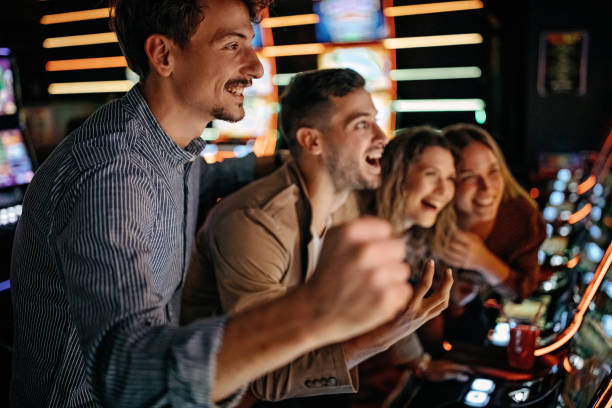
This allure is further amplified by the sensory experiences offered in casinos. The vibrant colors, flashing lights, and sounds of coins clinking create an immersive atmosphere that stimulates excitement and encourages longer play. The brain’s reward system is engaged, releasing dopamine and making players feel good when they win, thereby reinforcing a desire to return to the gaming tables or machines.
The Gambler’s Fallacy: Misjudgments in Decision-Making
One significant aspect of player behavior in casinos is the gambler’s fallacy, a cognitive bias where individuals believe that past events can influence future outcomes. For instance, after a series of losses, a player might incorrectly assume that a win is due, leading them to make larger bets in hopes of compensating for previous losses. This misconception can result in prolonged gambling sessions and increased financial loss.
Moreover, this fallacy often combines with the “near-miss” phenomenon, where players perceive that they were close to winning, which fuels their desire to continue playing. Such psychological patterns can lead to sustained gambling behavior, despite evidence that outcomes are independent and purely random.
Positive Reinforcement: The Role of Rewards in Gaming
Positive reinforcement plays a crucial role in shaping player behavior. Casinos strategically design their games to include small wins and frequent payouts, which keep players engaged. This tactic creates a cycle of reinforcement where players are rewarded just enough to feel good about their experience, encouraging them to keep playing in hope of achieving larger wins.
This mechanism is particularly effective in slot machines, where the combination of sounds, lights, and graphics enhances the experience of winning, regardless of the amount. As players chase the thrill of the next win, they often overlook the overall financial implications, getting caught in a loop of gambling that can lead to negative consequences.
The Emotional Rollercoaster: Joy and Despair in Gambling
Gambling evokes a wide range of emotions, from exhilaration during winning streaks to despair during losses. This emotional rollercoaster can lead to an addictive cycle, where players become hooked on the highs and lows of gambling. The interplay of these emotions can contribute to an individual’s overall psychological state, altering decision-making processes and leading to compulsive behavior.
Furthermore, emotional triggers can also be influenced by social environments, such as the presence of other players and the overall atmosphere within a casino. This social element can enhance feelings of camaraderie or competition, further complicating the psychological dynamics of gambling behavior.
Your Safe Online Gambling Experience
At our website, we understand the complex interplay between psychology and casino gaming. We prioritize user safety and security, ensuring that your online gambling experience is both enjoyable and secure. Our team works diligently to provide advanced protection services, safeguarding against potential threats while you indulge in your favorite casino games.
By fostering a safe online environment, we aim to enhance your gaming experience, allowing you to focus on the fun aspects of gambling without worrying about privacy or security concerns. Join us in creating a responsible and exciting online gambling space where you can explore the thrills of casino gaming with peace of mind.
